
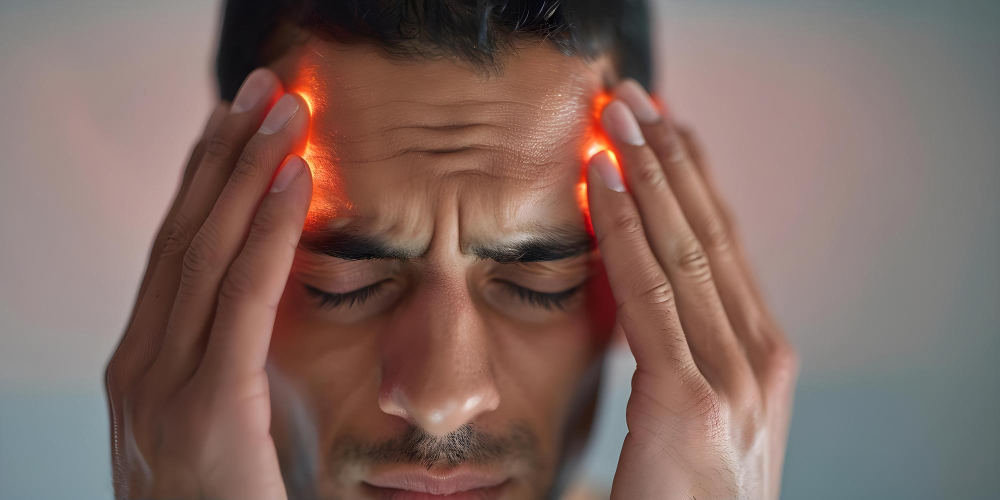
Migraine triggers can make life challenging for many people. If you have ever felt a strong, throbbing headache that keeps you from daily tasks, you may have experienced a migraine. For many, knowing what triggers migraines is the first step in finding relief. In this blog, you will learn about migraine causes, common triggers, and helpful migraine prevention tips. Understanding these factors can help you avoid migraine attacks and live more comfortably.
What Is a Migraine?
A migraine is more than just a headache. It is a complex condition that affects the brain. Often, migraines cause pain on one side of the head. However, some people feel pain on both sides. Migraines can last from a few hours to several days. In addition, they may cause symptoms like nausea, vomiting, and sensitivity to light or sound. According to the World Health Organization, migraines are one of the most common neurological disorders worldwide.
Common Migraine Triggers
Many things can set off a migraine. These are called triggers. While triggers vary from person to person, some are more common than others. For example, certain foods and drinks can cause migraines in some people. Below are some typical migraine triggers:
Because triggers can be different for everyone, it is important to pay attention to your own patterns.
How Triggers Affect Migraine Attacks
When you come in contact with a migraine trigger, your brain reacts. This reaction can lead to changes in blood flow and nerve signals. As a result, you may feel the start of a migraine attack. Sometimes, it takes more than one trigger to set off a migraine. For example, eating certain foods while under stress may increase your risk. According to the Centers for Disease Control and Prevention, avoiding known triggers can help reduce migraine frequency.
Identifying Your Personal Triggers
Finding your own migraine triggers can take time. However, keeping a migraine diary can help. In your diary, write down when your migraines happen and what you did before they started. You can also note what you ate, how much you slept, and how you felt emotionally. Over time, you may notice patterns. For instance, you might see that migraines often follow a poor night’s sleep or certain foods. This information can help you and your doctor create a plan for migraine prevention.
Tips to Avoid Migraine Triggers
Once you know your triggers, you can take steps to avoid them. Even small changes can make a big difference. Here are some migraine prevention tips:
Because everyone is different, it may take time to find what works best for you. For more information, you can consult Dr.Trimaan Singh Sikand