Introduction
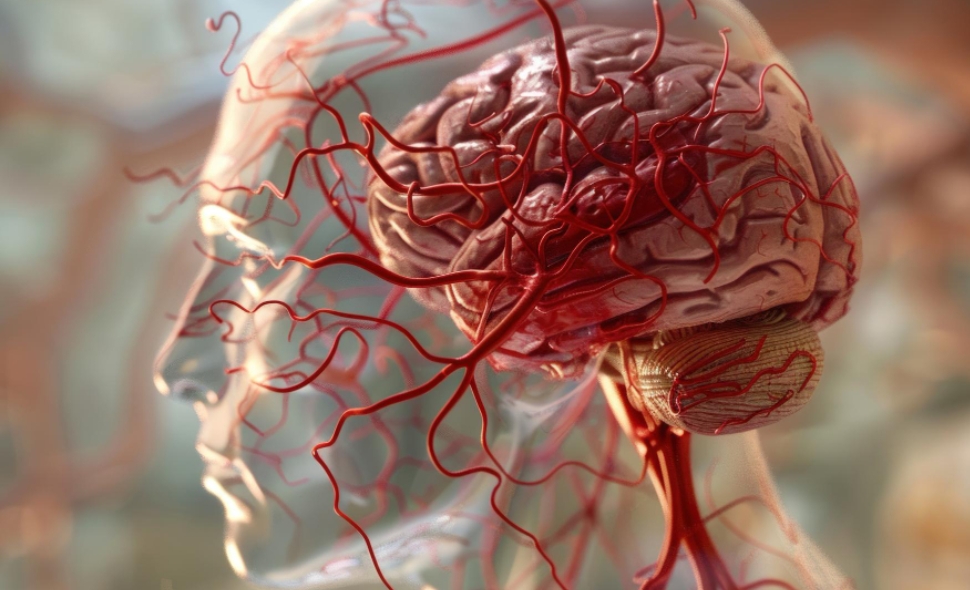
Carotid Stenting for Stroke is a medical procedure that helps open blocked arteries in the neck. These arteries, called carotid arteries, carry blood to the brain. When they become blocked, the brain may not get enough oxygen. As a result, a stroke can happen. Restoring blood flow to the brain is critical. Without enough blood, brain cells can die quickly. Therefore, timely treatment is very important for recovery and survival.
What Is Carotid Stenting?
Carotid stenting is a minimally invasive procedure. Doctors use it to open narrowed or blocked carotid arteries. During the procedure, a small mesh tube called a stent is placed inside the artery. This stent helps keep the artery open. Because it is less invasive than surgery, recovery is often quicker. Many people choose this option as part of their stroke treatment plan.
Why Is Carotid Stenting Needed After a Stroke?
After a stroke, the risk of another stroke can be high. Blocked carotid arteries are a common cause. When blood cannot flow freely, the brain may not get enough oxygen. Carotid stenting helps restore blood flow. In many cases, this reduces the risk of future strokes. For some patients, it is the best stroke treatment option. However, your doctor will decide if it is right for you.
Symptoms and Causes of Blocked Carotid Arteries
Blocked carotid arteries often develop slowly. Sometimes, there are no symptoms until a stroke occurs. However, some warning signs may include:
Common causes of blocked carotid arteries include:
According to the CDC, these risk factors increase the chance of stroke. Therefore, managing them is important for prevention.
How Is Carotid Stenting Performed?
First, doctors numb the area in your groin or arm. Then, they insert a thin tube called a catheter into a blood vessel. Using X-ray guidance, they move the catheter to the blocked carotid artery. Next, a small balloon may be used to widen the artery. After that, the stent is placed to keep the artery open. The procedure usually takes one to two hours. Most patients can go home the next day.
Benefits and Risks of Carotid Stenting
Carotid stenting offers several benefits:
However, there are some risks to consider:
According to the American Heart Association, the benefits often outweigh the risks for many patients. Still, every case is different. Therefore, always discuss your options with your doctor.
Recovery and Aftercare Tips
After carotid stenting, most people recover quickly. However, you should follow your doctor’s advice for the best results. Here are some helpful tips:
With proper care, you can lower your risk of future strokes. Always ask your healthcare team if you have questions about recovery.
Prevention: Reducing Your Stroke Risk
Even after carotid stenting, it is important to prevent future strokes. You can take several steps to lower your risk:
According to the World Health Organization, these stroke prevention tips can make a big difference. Early action and healthy habits help protect your brain and overall health.
Conclusion
Carotid Stenting for Stroke is a safe and effective way to restore blood flow to the brain. It can help prevent future strokes and improve quality of life. However, every patient is unique. Consult a neurologist or vascular specialist Dr.Trimaan Singh Sikand for personalized advice about carotid stenting and stroke prevention.