What Is Deep Brain Stimulation (DBS)?
Deep Brain Stimulation for Parkinson’s is a medical procedure. Doctors use it to help people with movement problems. In this treatment, a small device is placed under the skin near the chest. Wires from the device go into certain areas of the brain. These wires send gentle electrical signals to help control symptoms. Because DBS is a type of Parkinson’s surgery, it is done by a skilled team. Many people ask about this option when medicines are not enough.
How DBS Helps in Parkinson’s Disease
DBS can help manage symptoms of Parkinson’s disease. For example, it may reduce shaking, stiffness, and slow movement. While medicines are often the first step, some people do not get enough relief. In those cases, DBS may be helpful. As a result, some patients can lower their medicine doses. This may also reduce side effects from long-term medication use. According to experts, DBS does not cure Parkinson’s. However, it can improve quality of life for many people.
Who May Benefit from DBS?
Not everyone with Parkinson’s disease needs DBS. Still, some people may benefit more than others. Usually, doctors consider DBS for people who:
Importantly, DBS is just one of many Parkinson’s treatment options. Your doctor will help decide if it is right for you.
Criteria for DBS Candidacy
Doctors use clear guidelines to decide who is eligible for DBS. To be a good candidate, you may need to meet these criteria:
Additionally, your doctor may order tests to check your brain and overall health. These steps help ensure DBS is safe and likely to help.
Who Is Not a Candidate for DBS?
Some people are not good candidates for Deep Brain Stimulation for Parkinson’s. For example, DBS may not be recommended if you:
Because each person is different, your neurology care team will review your full medical history.
The Evaluation and Diagnosis Process
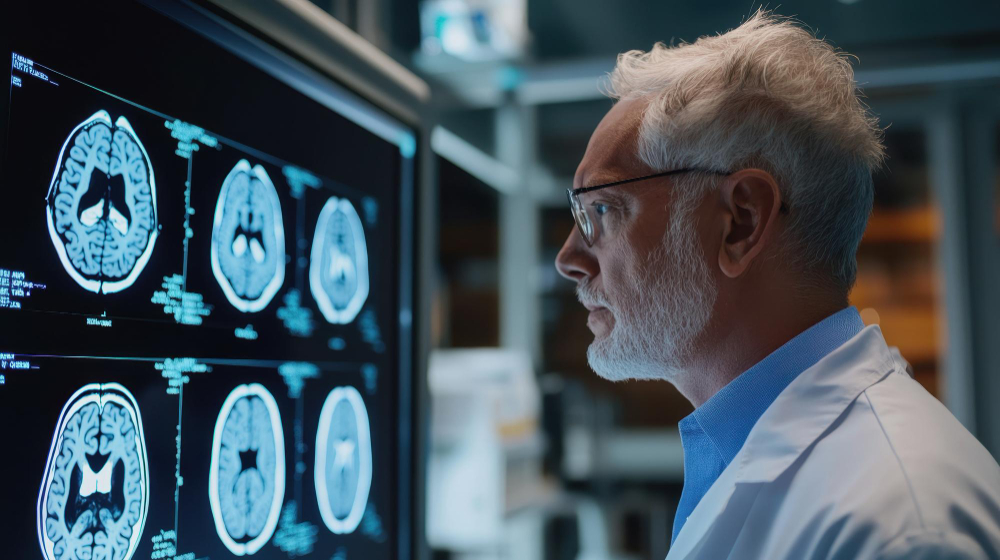
Before DBS, doctors do a careful evaluation. First, you will meet with a neurologist who knows about Parkinson’s treatment options. Next, you may see a neurosurgeon and other specialists. They will ask about your symptoms, medicines, and daily life. Often, you will have brain scans and memory tests. These steps help the team decide if DBS is likely to help you. After the tests, the team will talk with you about the risks and benefits.
Risks and Considerations
Every surgery has risks, and DBS is no different. Some possible risks include:
However, most people recover well after DBS. Your doctor will explain all risks before the procedure. It is important to ask questions and share any concerns. According to the CDC and major medical centers, DBS is safe for many people when done by experts.
Lifestyle and Post-Procedure Guidance
After DBS, you will need regular follow-up visits. During these visits, doctors adjust the device settings to help your symptoms. In many cases, people notice better movement and less shaking. Still, you may need to keep taking some medicines. Because the device is inside your body, you should tell other doctors about it. For example, some medical tests or treatments may need special care. With support from your care team, you can learn how to manage your device and stay active. Many people find that DBS helps them enjoy daily life again.