
Multiple Sclerosis Management
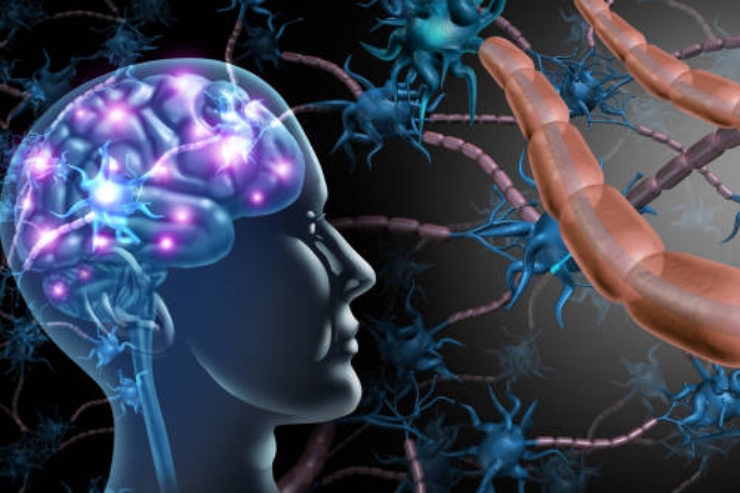
Multiple Sclerosis Management in Jalandhar | Comprehensive Support for Neurological Health
Multiple Sclerosis (MS) is a chronic neurological condition that can affect the brain, spinal cord, vision, movement, sensation, balance, and coordination. Multiple Sclerosis Management in Jalandhar focuses on evaluating symptoms, understanding disease activity, identifying individual care needs, and developing a personalized management plan. A detailed assessment may include medical history, neurological examination, MRI and other appropriate investigations.
Early evaluation and regular monitoring can help identify changes in disease activity and support timely management. Care may include disease-modifying therapies when indicated, symptom management, rehabilitation guidance, lifestyle recommendations, and regular neurological follow-up. A personalized approach aims to manage symptoms, support mobility and daily functioning, reduce the impact of relapses, and maintain quality of life.
Comprehensive Multiple Sclerosis Management
Personalized MS management combines neurological assessment, disease monitoring, symptom management, treatment planning, and supportive care based on the individual’s condition and needs.
Detailed evaluation of neurological symptoms and changes
Assessment of vision, movement, balance, coordination, and sensation
Neurological examination and appropriate diagnostic investigations
MRI-based monitoring of disease activity when required
Evaluation and management of MS relapses
Disease-modifying treatment when clinically appropriate
Management of symptoms such as fatigue, pain, stiffness, and mobility difficulties
Rehabilitation and physiotherapy guidance when required
Lifestyle and daily activity guidance
Regular monitoring and follow-up of neurological health
Why Consider Specialized Multiple Sclerosis Management in Jalandhar?
Multiple Sclerosis can affect individuals differently, and symptoms and disease activity may change over time. Personalized neurological evaluation and regular follow-up can help guide treatment according to the individual’s symptoms, disease course, and overall health. Comprehensive management may address both disease activity and its effects on everyday functioning.
Ongoing care can help patients understand their condition, recognize changes that may require medical attention, manage symptoms, and maintain independence where possible. Family education and supportive guidance can also play an important role in helping individuals manage the long-term challenges associated with Multiple Sclerosis.